
Is Airbnb Co-Hosting Worth It for Shenandoah Valley Vacation Rentals?
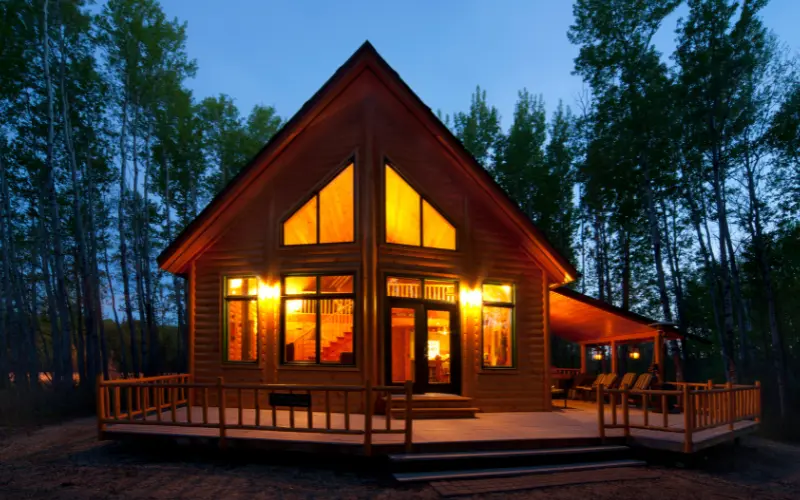
If you own a cabin, second home, or rural property in the Shenandoah Valley, you’ve probably asked yourself this question at some point:
Is Airbnb co-hosting actually worth it—or can I just manage this myself?
I’m Corey with KBR Co-Hosting, and I work hands-on with vacation rentals throughout Luray, Page County, and the greater Shenandoah Valley. This article isn’t about selling hype. It’s about helping you decide—honestly—whether Airbnb co-hosting makes sense for your property and your goals.
Quick Answer for Owners
Short answer:
Yes—Airbnb co-hosting is often worth it in Shenandoah Valley for cabins, second homes, and rural properties, especially if you don’t live locally.
- Best for: Cabins, mountain homes, weekend properties
- Biggest benefit: Less stress + higher consistency
- Revenue impact: Often 15–30% higher than DIY hosting
“In rural markets like Shenandoah Valley, co-hosting isn’t about convenience—it’s about protecting the asset and the guest experience.” — Corey, KBR Co-Hosting
What Airbnb Co-Hosting Actually Means
Co-hosting vs full property management
Airbnb co-hosting sits between full self-management and traditional property management.
As a co-host, we:
- Manage listings, pricing, and calendars
- Handle guest communication
- Coordinate cleanings and maintenance
- Act as local eyes and ears
You still own the property and maintain control—without handling the daily chaos.
Local vs remote co-hosts
In Shenandoah Valley, local presence matters. Cabins and rural homes require boots-on-the-ground support that remote co-hosts simply can’t provide.
Earn more and work less.
KBR Co-Hosting provides expert Airbnb management in Shenandoah Valley, handling every detail from guest check-in to professional cleaning
Why Shenandoah Valley Is a Unique Market
This is not a city Airbnb market.
Most guests come for:
- Shenandoah National Park
- Skyline Drive
- Luray Caverns
- Hiking, wildlife, and quiet escapes
Properties are often:
- Remote
- Surrounded by trees
- Dependent on well water, septic, or propane
That combination changes everything about hosting.
Common Challenges Owners Face Managing Alone
Distance from the property
Many owners live in:
- Northern Virginia
- Washington, DC
- Richmond
- Out of state
When something breaks, distance becomes expensive—fast.
Vendor coordination
Reliable cleaners, hot tub techs, and handymen aren’t optional in cabin markets. One missed cleaning can derail your reviews for months.
Guest expectations
Nature-based stays still demand hotel-level responsiveness.

How Co-Hosting Helps Cabin & Rural Property Owners
On-the-ground oversight
From frozen pipes to late-night lockouts, rural properties need local response—not email chains.
Faster issue resolution
Speed protects reviews. Reviews protect revenue.
Better guest experiences
Happy guests:
- Leave better reviews
- Rebook
- Recommend your property
Revenue Impact of Airbnb Co-Hosting
Pricing optimization
Most owners underprice peak weekends and overprice slow periods. Co-hosting fixes that.
Calendar control
Minimum stays, last-minute gaps, and seasonal strategies matter more than nightly rates.
Review performance
Higher reviews = higher placement = higher occupancy.
Co-Hosting for Second Homes in Shenandoah Valley
Second homes create unique challenges:
- Personal use scheduling
- Emotional attachment
- Wear and tear concerns
A good co-host protects the home and the income.
Costs vs Value: Is Co-Hosting Worth the Fee?
Typical co-hosting fees
Often a percentage of booking revenue.
What owners gain
- Time freedom
- Revenue consistency
- Asset protection
- Peace of mind
Most owners net more, not less—even after fees.
What Makes a Good Airbnb Co-Host in Shenandoah Valley
- Local presence in Page County
- Cabin-specific experience
- Dynamic pricing knowledge
- Vendor relationships
- Clear communication
A Local Perspective from Corey
“Cabins don’t forgive mistakes the way city condos do. Co-hosting works here because it solves problems before they become five-star review killers.”
When Airbnb Co-Hosting Is NOT Worth It
- You live nearby
- You enjoy daily guest communication
- You’re comfortable coordinating vendors
- You accept seasonal income swings
If that’s you, DIY hosting can work.
Co-Hosting vs Self-Managing: A Reality Check
Self-Managing
- Lower upfront cost
- Higher time demand
- More volatility
Co-Hosting
- Less stress
- More consistency
- Better long-term performance
Final Verdict for Shenandoah Valley Owners
If you own:
- A cabin
- A rural retreat
- A second home near Shenandoah National Park
Airbnb co-hosting is often not just worth it—it’s the smarter long-term move.
Shenandoah Valley rewards owners who treat short-term rentals like businesses, not side hustles. Airbnb co-hosting bridges the gap between ownership freedom and professional execution—especially in a rural, experience-driven market like this one.

FAQs
Is Airbnb co-hosting worth it for cabins in Shenandoah Valley?
Yes. Cabins benefit significantly from local oversight, vendor coordination, and pricing expertise.
How much more can co-hosting increase revenue?
Many owners see 15–30% higher annual revenue compared to self-management.
Do I lose control of my property with co-hosting?
No. Owners retain ownership and final decision-making authority.
Is co-hosting good for second homes?
Absolutely. It balances income with protection of the home.
Is Airbnb co-hosting better than full property management?
For many Shenandoah Valley owners, yes—it offers flexibility without sacrificing performance.
Want to Host Near Shenandoah National Park Without the Stress?
KBR Co-Hosting helps property owners earn more with less effort—all while creating top-tier guest experiences.
👉 See the full regional service page here:
https://kbrcohost.com/shenandoah-valley
👉 Ready to find out what your property could earn?
Request your free property analysis today.
Email: Corey@KBRcohost.com
Phone: (540) 669-7773
Address: 803 E Main St. Luray, VA 22835