
Why Shenandoah Valley Cabins Outperform Urban Airbnbs (And What Hosts Get Wrong)
For many property owners, it’s easy to assume that urban Airbnbs will always outperform rural vacation rentals. Cities feel busier, demand looks more consistent, and nightly pricing appears predictable.
But when you look closely at performance, profitability, and guest behavior, cabins and vacation rentals in the Shenandoah Valley often outperform urban Airbnbs in meaningful ways—especially when they’re managed correctly.
At KBR Co-Hosting, we work directly with short-term rental owners throughout the Shenandoah Valley and Page County. Over time, clear patterns emerge. The hosts who understand how this market truly works tend to earn more, stress less, and build more sustainable rental income.
This article breaks down why Shenandoah Valley cabins behave differently than urban Airbnbs—and what many hosts get wrong when they try to manage them the same way.
Length of Stay: Valley Guests Stay Longer
One of the most important differences between Shenandoah Valley rentals and urban Airbnbs is length of stay.
Urban Airbnbs often attract:
- One- or two-night business travelers
- Event-based guests
- Quick weekend stays
In contrast, Shenandoah Valley cabins typically attract:
- Long weekend getaways
- 3–5 night stays
- Families and couples seeking quiet escapes
- Guests building trips around Shenandoah National Park, Skyline Drive, and outdoor recreation
Longer stays mean:
- Fewer turnovers
- Lower cleaning frequency per dollar earned
- Higher overall revenue efficiency
This is one reason Shenandoah Valley short-term rental management requires a different operational and pricing mindset than city hosting.
Weekend vs. Weekday Demand Is Not Balanced — And That’s OK
Urban markets often rely on steady weekday demand driven by work travel and events. Cabin markets don’t behave that way.
In the Shenandoah Valley:
- Weekends carry premium value
- Demand compresses heavily from Friday to Sunday
- Weekdays are more sensitive to pricing strategy
Many hosts make the mistake of averaging their nightly rates across the week. That approach almost always leads to underpricing weekends and overpricing weekdays.
Effective Airbnb management in Shenandoah Valley focuses on:
- Capturing peak weekend demand
- Filling weekday gaps strategically
- Avoiding orphan nights that block bookings
This is where generic pricing tools fall short — and where local market knowledge matters most.
Guest Intent: Escape Beats Convenience
Urban Airbnb guests value convenience:
- Proximity to offices
- Walkability
- Transit access
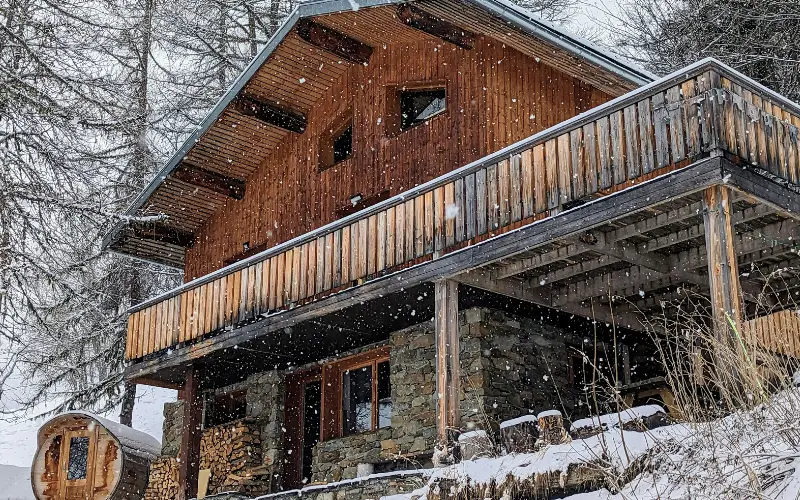
Shenandoah Valley guests value something very different:
- Privacy
- Views
- Silence
- Nature
- Space
They aren’t booking your property because it’s “close.”
They’re booking it because it feels far away.
That shift in intent changes everything:
- Guest expectations
- Communication style
- Amenity priorities
- Pricing tolerance
This is why professional management for Shenandoah cabins looks nothing like urban property management.
Why Generic Pricing Tools Fail in Rural Markets
Automated pricing tools are built on density and volume. Urban markets provide both.
Rural and mountain markets do not.
In Shenandoah Valley:
- Fewer comparable properties exist
- Demand spikes around weather, foliage, festivals, and park traffic
- One local event can swing pricing dramatically
- Orphan nights matter far more than average occupancy
Without local oversight, many hosts:
- Miss peak pricing windows
- Leave money on the table during high-demand weekends
- Price too high during low-demand weekdays
- Struggle to fill gaps between reservations
This is where hands-on Airbnb co-hosting consistently outperforms automated systems.
What Hosts Get Wrong Most Often
From working with property owners throughout the region, a few mistakes appear repeatedly:
Treating Cabins Like Urban Rentals
Applying city-based pricing logic to rural properties almost always results in lost revenue.
Ignoring Weekend Compression
Failing to adjust for Friday–Sunday demand limits earning potential.
Underestimating Operational Complexity
Cabins require more coordination:
- Cleaning schedules
- Maintenance access
- Supply restocking
- Weather-related issues
Assuming “Booked” Means “Profitable”
High occupancy doesn’t equal high profit if pricing and operations aren’t optimized.
This is why many owners eventually seek local property coordination in the Valley instead of managing remotely.
Why Local Expertise Changes Everything
Successful Shenandoah Valley hosting depends on:
- Understanding seasonal travel patterns
- Monitoring Shenandoah National Park traffic
- Responding quickly to guest needs
- Coordinating local vendors efficiently
- Adjusting pricing proactively
This is the foundation of Shenandoah Valley vacation rental management done right.
At KBR Co-Hosting, we focus on helping owners maximize Shenandoah rental profit without taking on the daily burden of hosting.
Learn more about our KBR Co-Hosting approach to
Short-term rental co-hosting in Shenandoah Valley.
When Cabins Are Managed Like Businesses — Not Burdens

Shenandoah Valley cabins outperform urban Airbnbs when:
- Pricing reflects real demand
- Guest experience is handled professionally
- Operations are coordinated locally
- Owners aren’t forced to manage every detail themselves
The difference isn’t location — it’s strategy.
If you own a cabin or vacation rental in the Shenandoah Valley and want real insight into how your property could perform:
Visit our Shenandoah Valley location page to learn more about working with a local team that understands this market inside and out.
Ready to find out what your property could earn?
Request your free property analysis today.
Email: Corey@KBRcohost.com
Phone: (540) 669-7773
Address: 803 E Main St. Luray, VA 22835
FAQs
Why do Shenandoah Valley cabins earn more per stay than urban Airbnbs?
Longer stays, weekend demand compression, and destination-based travel often result in higher revenue efficiency for Shenandoah Valley cabins.
Are weekends more important than weekdays for cabin rentals?
Yes. Weekend pricing and availability play a major role in overall profitability for Shenandoah Valley vacation rentals.
Why don’t automated pricing tools work well for rural Airbnbs?
Rural markets lack dense data and are influenced by seasonal and local factors that automated tools often fail to account for.
Is professional management more important for cabins than city rentals?
Cabins require more hands-on coordination, making local oversight especially valuable.